Implementing an employee shuttle alleviates parking constraints and minimizes extended solo commutes for your workforce. If parking is tight or staff spend hours in traffic, a daily park and ride route is a practical solution.
The shuttle service collects employees from a designated lot, transports them to the office, and returns them to the lot after work hours. It cuts parking costs, eases traffic, and gives employees a perk worth keeping. This guide covers commuter and park and ride shuttles around Indianapolis, with the route setup and package pricing that make a recurring run work. For the full range of corporate options, see our Indianapolis corporate group transportation guide.
Thinking about an employee commuter shuttle in Indianapolis? Call 317-210-2240 to book your shuttle bus rental. Live agents answer from 6am to midnight, every day.
Why Companies Run a Commuter Shuttle
Companies facing parking shortages utilize commuter shuttles throughout the year due to their numerous advantages.
- Less parking pressure. A shuttle from a remote lot frees up spaces on site and cuts garage costs.
- A real employee perk. Staff skip the drive and the parking fee, which helps with hiring and keeping people.
- Fewer cars, less traffic. One bus replaces dozens of single rider commutes.
- Reliable timing. A set schedule means employees know exactly when the bus arrives.
Reliability stands out as the primary advantage. The same driver and vehicle run the route every day, so staff trust the schedule and the lot stays a little emptier.
Where the Pickup Point Goes
The shuttle route works best when the pickup location is both accessible and offers sufficient parking. Most companies anchor the morning run at one of these spots, chosen to fit where staff live and how they get there.
- A leased or shared park and ride lot. A remote lot near a highway interchange lets staff drive part way, park free, and ride the rest.
- A transit hub or station. A pickup at a bus or rail stop links the shuttle to riders who already use transit for the first leg.
- A satellite office or second campus. A stop at another company site moves staff between buildings on the same daily run.
- A central neighborhood lot. A church or retail lot with a daytime use agreement can serve a cluster of nearby employees.
We assist in evaluating these options based on employee residences, ensuring the pickup point minimizes commute times and maintains schedule adherence. Surveying employee zip codes helps find the best lot, and one well-placed stop is often better than multiple stops with few riders.
How a Park and Ride Route Works
We arrange pickups at your chosen lot or transit hub and drop-offs at your office or campus. The route runs on a fixed morning and evening schedule built around your shift times. For larger campuses, we can add a second stop or a midday run. The same driver and vehicle keep the route consistent day to day.
A frequent inquiry is whether the shuttle schedule can accommodate employees with late shifts. We can hold a later evening run or add an on call return for a small group, and we set those rules up front so no one is stranded after a shift.

Setting Up a Park and Ride Program
Establishing a commuter shuttle program involves a brief planning process, with most employers following similar steps before launching the service. These are the pieces we work through with you.
- Map where your staff live. A quick survey of employee zip codes shows where riders cluster, which points to the lot or transit hub that serves the most people with the shortest drive.
- Lock in the lot. The pickup point needs free all day parking and an easy in and out, whether that is a leased park and ride space, a transit station, or a retail lot under a daytime use agreement.
- Build the schedule around shifts. The morning arrival is timed to land a few minutes before the start of the workday, and the evening departure is set just after it ends, so the route fits the hours your team already works.
- Size the vehicle to expected ridership. An early headcount sets the first vehicle, and the route can step up to a larger bus later if more staff sign on.
- Set the late and missed run rules. Deciding up front how a later return or a weather day is handled keeps the program predictable and stops anyone from being stranded.
- Choose how it is funded. Some employers cover the route fully as a benefit, while others split the cost with a small payroll deduction or a pre tax commuter benefit, which can lower the bill for both sides.
After finalizing the details, the shuttle operates under a fixed contract with a consistent driver and vehicle assigned to the route. For the employer, the payoff is fewer parking spaces in use, a recruiting perk that costs less than a garage build, and a single predictable monthly line item instead of a parking problem that grows with every new hire.
Matching the Vehicle to Your Workforce
Select the appropriate vehicle according to the number of daily commuters. The match keeps you from paying for empty seats or running short on space at the busy stop.
- Smaller teams. A sprinter van fits a compact daily route for a handful of riders.
- Mid size groups. A 28 passenger minibus covers a busy commuter loop with quick loading.
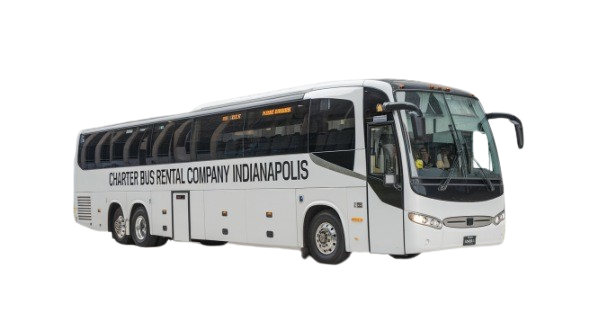
- Large workforce. A 56 passenger charter bus moves a full shift in one trip.
If your ridership grows over time, we can step up the vehicle size on the same route rather than adding a second run, which is usually the cheaper path.
A Sample Commuter Day
Here is a sample daily timeline for a single shift starting at 8am. Shift it to your own hours, and your rep will tune the windows to your route.
- 7:00am. Driver stages at the park and ride lot as the first riders arrive.
- 7:15am. Departure from the lot toward the office.
- 7:45am. Drop at the office or campus ahead of the 8am start.
- 5:00pm. Evening pickup at the office for the return run.
- 5:30pm. Drop back at the lot so staff retrieve their cars and head home.
This routine is maintained daily, with the same driver and bus ensuring familiarity and a consistent schedule for commuters. If a holiday or a weather day changes your hours, we adjust the run with notice rather than canceling the route, so the service stays predictable across the year.
A Sample Weekly Schedule
Most commuter contracts run Monday through Friday on the same two daily windows, with the weekend off unless your operation runs a Saturday shift. Here is how a standard week lays out for a single shift route.
- Monday through Friday morning. One outbound run from the lot to the office, timed to arrive a few minutes before the shift starts.
- Monday through Friday evening. One return run from the office back to the lot once the workday ends.
- Two runs a day, ten a week. A typical single shift route adds up to ten trips across the week, which is the block most package quotes are built around.
- Optional Saturday or second shift. Operations that run weekends or a second shift add those windows to the same contract rather than booking them one at a time.
- Holidays and closures. Company holidays drop off the schedule, and we set those dates in advance so the route is not charged for days the office is closed.
Because the week repeats, the route is quoted as a package rather than ten separate bookings, and that recurring structure is what lowers the per trip rate compared with a one time charter.
What a Commuter Shuttle Costs
Regular shuttle routes are typically priced as weekly or monthly packages, reducing the cost per trip compared to single bookings. Below are current Indianapolis base rate ranges for the vehicles most commuter routes use, before the package discount. You can see the full lineup on our charter bus rates page.
To put a number on it, picture a 28 passenger minibus running one morning and one evening trip, five days a week, with each run taking about an hour of paid time. That is roughly ten short trips across the week. At the lower minibus base rates shown below, a route like that lands in the neighborhood of $1,500 to $2,500 a week before any package discount, which the recurring contract then trims further. Spread that figure across two dozen daily riders and the per employee cost often comes in below what the company would spend leasing the equivalent block of downtown parking spaces. The exact figure depends on the drive distance, the vehicle, and how many days the route runs, so the cleanest way to compare is a quote built on your real lot, office, and headcount.
| Vehicle | Per Hour | Per Day |
|---|---|---|
| Mercedes Sprinter | $160 to $400+ wkdy / $180 to $450+ wknd | Quoted by trip |
| Shuttle Bus | $155 to $450+ | $1,520 to $3,655 |
| 25 to 35 Passenger Minibus | $150 to $450+ | $1,610 to $3,465 |
| 50 to 56 Passenger Charter Bus | $180 to $500+ | $1,800 to $3,800 |
Shorter routes utilizing a sprinter van or minibus are more economical, with recurring contracts further decreasing expenses. Prices shown are past estimates and can run higher with date and availability.
Set Up Your Employee Shuttle
Provide your pickup area, office location, and shift times, and we’ll design the route and choose the right vehicle. As Charter Bus Rental Company Indianapolis, we run recurring commuter shuttles across the metro. Ready to plan? Call 317-210-2240 to book your shuttle bus rental or grab an instant quote online, and we will build a package around your schedule.